Pom Pom Split Embroidery Design
First Impressions: Playful Charm with Quiet Sophistication
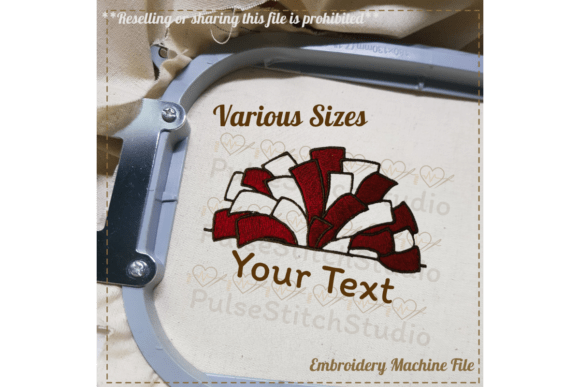
As an embroidery designer who’s tested over 2,000 machine embroidery designs for retail and custom gifting, the Pom Pom Split Embroidery Design landed on my hoop with immediate appeal—not loud or flashy, but quietly confident. It carries a soft, handmade warmth that reads as both modern and timeless. The “split” element gives it subtle movement—like two cheerful pom poms gently drifting apart—while retaining balance and charm. It doesn’t scream “sports,” but its clean lines and rhythmic symmetry do nod to playful energy, making it unexpectedly versatile across categories: baby embroidery, wedding gifts, nursery decor, and even kitchen-ready embroidered towels.
A Natural Fit for Meaningful Personalized Gifts
This design shines where emotional resonance matters most. Imagine it stitched onto a plush baby blanket—centered just above the hem—with delicate pastel thread colors. The pom poms feel tactile, joyful, and reassuringly simple—perfect for new parents seeking understated elegance over cluttered motifs. On a linen pillow cover for a bridal suite? Paired with ivory thread and a subtle satin stitch border, it becomes a romantic, keepsake-worthy detail. For Etsy sellers and small shop owners, it’s a quiet upgrade: swap out generic monograms for Pom Pom Split Embroidery Design on custom tote bags or aprons, and suddenly your handmade product feels curated, intentional, and gift-ready.
It also works beautifully in layered storytelling—think: a personalized gift set with a matching embroidered towel and blanket, both featuring the same design in complementary thread palettes. That cohesion builds trust. Customers recognize consistency as care—and care translates directly into perceived value, repeat orders, and heartfelt reviews.
Where It Excels (and Where to Pause)
Pom Pom Split Embroidery Design performs reliably across common home and lifestyle fabrics: medium-weight cotton, linen blends, terry cloth (with proper stabilizer), and stable knits. I’ve stitched it successfully on pillow covers, tea towels, baby onesies (with tear-away + cut-away combo stabilizer), and lightweight canvas totes.
But like any thoughtful designer, I recommend caution in these scenarios:
- Small lettering or fine details: This design isn’t built for micro-text—it’s about shape and rhythm. Don’t try to add tiny names or dates inside the pom poms; instead, pair it with clean, legible script nearby.
- Highly textured or thick fabrics: On heavy waffle-weave towels or dense fleece blankets, test stitch density first. Over-stitching can flatten the pom pom’s dimensionality.
- Stretchy or delicate substrates: Avoid direct use on thin baby rib knits or curved surfaces (like hat brims) without digitizing adjustments—this is a flat-layout design, not a contoured one.
- Dark fabric contrast: On navy, charcoal, or black backgrounds, confirm thread color visibility early. Light heather gray or ecru threads may recede—opt for off-white or pale gold for lift.
- Frequent-wash items: While durable when properly stabilized, always reinforce backings on embroidered towels or baby blankets intended for daily use.
Design Choices That Boost Giftability
What makes Pom Pom Split Embroidery Design stand out in a crowded digital embroidery file marketplace isn’t just aesthetics—it’s *gifting intelligence*. Its scale is inherently generous (not too large, not too dainty), its shape invites framing (ideal for printable mockups and Instagram flat lays), and its mood is universally uplifting without leaning into seasonal clichés. That means your finished product photographs beautifully—no frantic repositioning needed. A single centered stitch on a cream linen pillow cover? Instant buyer engagement. A subtle placement on the corner of a muslin baby blanket? Emotional connection before the first touch.
For wedding gift designers, it offers gentle symbolism—unity with space to grow—without overt iconography. For baby product creators, it’s gender-neutral, ageless, and scales gracefully from newborn onesies to toddler backpacks. And for craft fair vendors or Etsy sellers, it’s a low-risk, high-reward addition: easy to preview digitally, fast to stitch, and consistently delightful in execution.
Practical Embroidery Notes You’ll Want to Follow
Before stitching your first customer order, here’s what I do—and recommend you do too:
- Test on scrap fabric that matches your final substrate—especially for texture, stretch, and absorbency.
- Check thread color contrast under natural and artificial light; some pale threads look crisp in daylight but disappear under store lighting.
- Confirm hoop size compatibility—if your machine uses smaller hoops, verify whether the design fits without re-hooping mid-stitch.
- Review stitch density—dense fills work on stable fabrics, but reduce density slightly for towels or napkins to preserve softness.
- Use appropriate stabilizer: medium cut-away for knits, tear-away + light cut-away for linens, and fusible + tear-away for terry cloth.
- Compare light and dark fabric mockups side-by-side before finalizing your Etsy listing or wholesale catalog image.
- Inspect small details post-stitch: check pom pom edges for fraying or skipped stitches—especially near split points.
- Verify commercial licensing before selling finished products. Since this is a digital embroidery file, ensure your license permits resale of physical embroidered goods.
Remember: every personalized gift begins with intention—and Pom Pom Split Embroidery Design rewards that intention with graceful simplicity. It won’t shout. But it will linger—in memory, in photos, in folded blankets passed down, in towels hung with pride. That’s the quiet power of well-chosen embroidery: not decoration, but meaning, made tangible.