Black History Machine Embroidery: A Designer’s Perspective
As an experienced embroidery designer who regularly curates collections for boutique apparel and small-batch sweatshirt lines, I’m always on the lookout for designs that carry both visual weight and emotional resonance. When I first encountered Black History Machine Embroidery, it immediately stood out as a design with potential—not just for its theme, but for how it could elevate a brand’s message through thoughtful stitching.
First Impressions of Black History Machine Embroidery
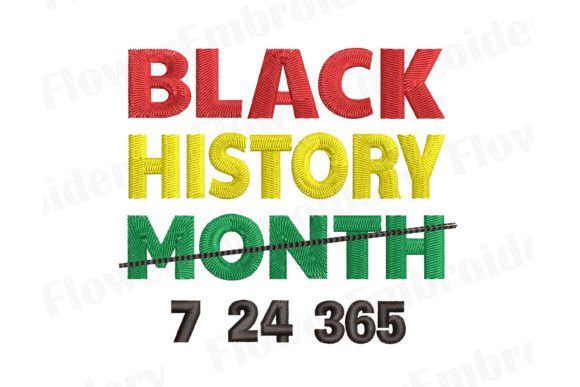
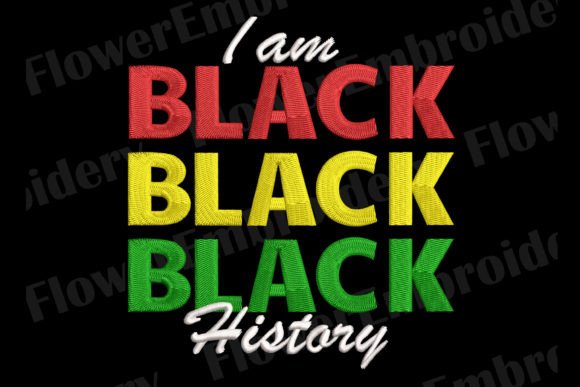
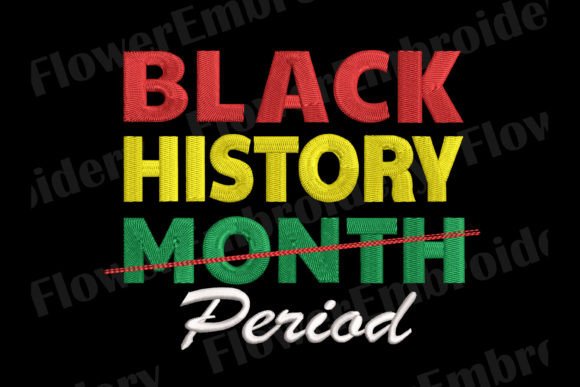
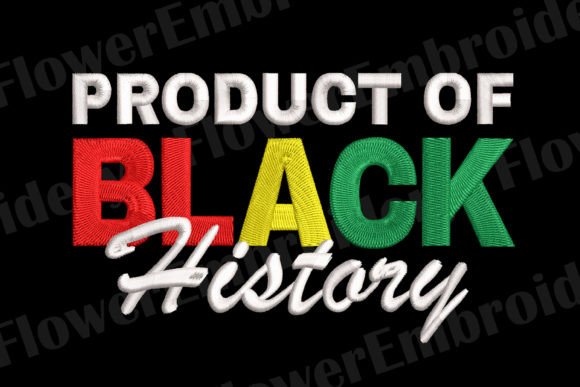
The Black History Machine Embroidery design has a bold and respectful aesthetic that aligns well with awareness-themed apparel. Its stitch layout feels intentional, with a balance between decorative elements and readable text or symbols, depending on the version you choose. The detail level is impressive without being overwhelming, making it versatile enough to suit both minimalist and statement-driven pieces.
I found the stitching mood to be dignified yet modern—perfect for projects celebrating cultural heritage or commemorating significant events like Juneteenth. The design doesn’t scream; it speaks clearly and confidently. It carries a premium look due to its clean lines and deliberate composition, while still feeling accessible and wearable. This makes it ideal for small shop product lines aiming to blend artistry with social consciousness.
Visual Personality and Stitch Appeal
- Bold: The design commands attention without being too flashy.
- Meaningful: It conveys a powerful message, fitting for Awareness-centered collections.
- Premium: High-quality stitching patterns give it a polished feel.
- Trendy & Timeless: While contemporary in style, the themes are rooted in enduring values.
Applying Black History Machine Embroidery to Apparel Projects
This design adapts well across various apparel types. For sweatshirt embroidery, I tested it on oversized crewnecks and found that the placement on the chest area made a strong impact, especially when paired with neutral or pastel tones. On dark garments, the contrast from black thread really shines, giving the piece a striking silhouette.
For hoodie design collections, I suggest using this embroidery file as a central graphic. Its size and clarity work best on mid-to-large placements, such as the front chest or back panel. If you're aiming for a subtle touch, consider smaller versions or integrating it into sleeve accents for a refined, layered look.
Design Placement Options
- Chest Placement (Sweatshirts/Hoodies): Offers a classic, eye-catching location for the design.
- Sleeve Accents: Works well as a secondary feature for added visual interest.
- Back Designs: Ideal for large-format embroidery, especially for event-specific merchandise.
- T-Shirt Embroidery: Best suited for cotton blends where stitch density can be controlled effectively.
- Tote Bag Design: Makes a meaningful addition to handmade products or Etsy seller offerings.
- Denim Jackets: Adds a stylish nod to vintage-inspired collections.
- Cozy Seasonal Outfits: Can enhance holiday or winter wear by pairing with warm, muted fabrics.
Where to Use the Design with Care
While Black History Machine Embroidery is adaptable, there are specific considerations for optimal results:
- Small Chest Placement: Avoid unless the design is specifically scaled down—it may lose legibility.
- Dense Stitch Areas: Be mindful of fabric stretch or puckering, particularly with high-density sections.
- Stretchy Fabric: May require additional stabilizer to maintain shape and prevent distortion.
- Fleece or Ribbed Fabric: Test thoroughly before production to ensure proper tension and hold.
- Dark Garments: Thread color selection is critical for visibility and depth.
- Curved Surfaces: Adjust hoop positioning and possibly use curved stabilizers for consistent results.
- Tiny Lettering: Not recommended for very small sizes—prioritize readability over compactness.
- Areas That Stretch or Wrinkle: Reinforce with interfacing or avoid placing the design in those zones.
- Always test on scrap fabric before committing to a full run.
- Choose the right stabilizer based on your fabric type and machine settings.
- Review thread color contrast against your garment base for maximum visibility.
- Confirm hoop size compatibility with your machine and the design's dimensions.
- Inspect stitch density to prevent puckering, especially on thinner or stretchier materials.
- Use printable mockups to visualize how the design will appear on different styles of clothing.
- Check product details and licensing on Creative Fabrica before selling finished items.
- Pair with pastel hoodies for a soft yet impactful look.
- Use on oversized garments to emphasize the design’s scale and importance.
- Try denim jackets for a vintage-meets-modern aesthetic.
- Create cozy seasonal outfits by combining with warm accessories and textures.
Designer Tips for Optimal Results
Boosting Brand Identity with Awareness-Themed Embroidery
Incorporating Black History Machine Embroidery into your collection can significantly affect your brand identity. As a designer, I’ve seen how purpose-driven designs resonate with customers, especially when presented professionally. This design adds a layer of authenticity to any boutique brand, showing a commitment to cultural awareness and inclusivity.
Buyer trust often grows when consumers see that a brand stands for something beyond fashion. The Awareness category of this design opens up opportunities for storytelling and connection. Whether it's part of a Juneteenth collection or a year-round staple, the design supports product recognition and reinforces your brand's visual consistency.
Customer Engagement and Marketability
From my experience, designs that celebrate history and diversity tend to generate higher engagement, especially on platforms like Etsy. They allow handmade business owners to connect with their audience on a deeper level. Black History Machine Embroidery isn't just another embroidery file; it’s a conversation starter.
When creating lifestyle product photos, the design’s bold presence ensures it stands out in flat lays and model shots. You’ll find it particularly effective when used alongside other curated machine embroidery design elements that reflect similar values or aesthetics.
Practical Applications for Digital Sellers and Small Brands
If you’re a digital seller or creative entrepreneur, this design is a valuable asset. Its adaptability allows for multiple uses within a single product line. For instance, you might feature it on a hoodie as a primary graphic and repurpose a smaller variation on a tote bag or denim jacket for a cohesive collection.
Commercial embroidery shops will appreciate the professional appearance and clear structure of the design. It’s easy to modify slightly for different placements and can support seasonal campaigns, especially during cultural observances or community events.
For Etsy sellers, including this design in your listings can help attract buyers looking for unique, socially conscious apparel. Pair it with lifestyle imagery and a short narrative about its significance to create a compelling story behind your custom apparel.
Styling and Presentation Suggestions
Final Thoughts for Embroidery Designers
In summary, Black History Machine Embroidery is a standout option for designers seeking to add meaningful graphics to their digital embroidery file libraries. Its versatility, combined with a visually grounded and emotionally resonant theme, makes it suitable for a wide range of custom apparel projects—from small-batch runs to commercial embroidery ventures.
Before production, always check stitch density, confirm hoop size requirements, and test on fabric samples. These steps ensure your final product looks as intended and maintains the integrity of the design.
Whether you're preparing for a Juneteenth celebration or building a line of finished product offerings, this design brings more than just decoration—it brings purpose. And in today’s market, that kind of intentionality can make all the difference in customer loyalty and brand success.