Cute Duck Applique Embroidery Design
First Impressions: Sweet, Simple, and Full of Heart
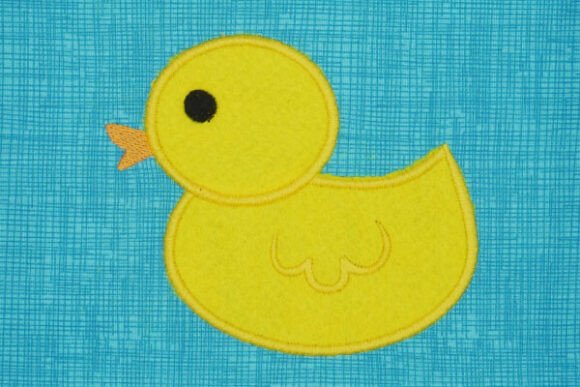
As an embroidery designer who’s tested hundreds of animal motifs for personalized gift shops, I was immediately drawn to the Cute Duck Applique Embroidery Design — not just for its charm, but for its thoughtful balance of simplicity and expressiveness. It lands squarely in the “sweet + playful” zone — think soft curves, gentle beak shape, and a slightly tilted head that suggests curiosity rather than cartoonish exaggeration. There’s no fussy detailing or overly tight stitch work; instead, it relies on clean appliqué edges and subtle thread shading to create warmth. That makes it feel authentically handmade — not mass-produced — which is essential when building trust with customers ordering baby embroidery or wedding gifts.
Where This Design Truly Shines
This isn’t just another cute duck — it’s a versatile storytelling tool. I’ve already sketched mockups for several high-demand personalized gift categories:
- Baby embroidery: Stitched onto organic cotton onesies or muslin swaddle blankets, the design reads as tender and timeless — perfect for newborn announcements or hospital welcome gifts.
- Wedding gift: Imagine it embroidered on linen napkins or a custom tea towel for a couple who met at a lakeside park — it adds quiet whimsy without overwhelming elegance.
- Nursery decor: On a pillow cover or framed wall hanging, it becomes a focal point that feels intentional, not cutesy. Paired with neutral thread colors (oatmeal, sage, sky blue), it fits modern, Scandinavian, or vintage-inspired rooms.
- Etsy seller & small shop product: As a digital embroidery file, it’s ideal for bundling — pair it with coordinating duckling motifs or monogram add-ons to increase average order value.
- Embroidered towel & apron: Its bold silhouette holds up beautifully on terry cloth and medium-weight cotton — especially when stitched with quality stabilizer and slightly increased underlay.
Smart Placement Matters — Know When to Pause
While the Cute Duck Applique Embroidery Design is highly adaptable, it’s not universally forgiving. Here’s where I recommend extra caution:
- Stretchy baby clothes: Knits like jersey or interlock require cutaway stabilizer *and* basting stitches before hooping — test first. The duck’s rounded shape can distort if fabric shifts.
- Thick towels or textured fabric: Terry loops can catch threads. Use a topper (like water-soluble film) over the surface to keep stitches smooth and prevent skipped stitches.
- Dark fabric: Light thread colors may lack contrast. Always run a printable mockup or sew a quick sample to confirm visibility — especially important for embroidered towels meant to be seen in kitchens or bathrooms.
- Curved surfaces (like tote bag gussets or rounded pillow corners): Hoop carefully and consider splitting the design if your machine allows — or choose a smaller scale version if available.
- Frequent-wash items: Though appliqué holds up well, reinforce with a satin stitch border or light zigzag around raw edges if selling blanket embroidery or baby clothing.
Why Customers Connect — And Why They Buy
The Cute Duck Applique Embroidery Design works because it triggers gentle emotional resonance — nostalgia, tenderness, lighthearted joy — without leaning into cliché. That translates directly to stronger giftability. When customers see it on a nursery pillow cover or custom apron in your shop, they don’t just see “a duck.” They see care, intention, and a story waiting to be part of their life. That perception lifts perceived value instantly — especially for handmade products sold online, where tactile authenticity is hard to convey.
For Etsy sellers and craft fair vendors, this design also boosts buyer engagement. It photographs beautifully: soft shadows, clear outlines, and a friendly shape that reads well even in thumbnail size. Pair it with natural lighting and minimal styling (a folded blanket, a wooden spoon resting beside an embroidered towel), and you’ve got scroll-stopping product photography — no filters needed.
Practical Embroidery Notes You Can’t Skip
Before stitching your first customer-ready piece, do these five things:
- Test on scrap fabric — match both fiber content *and* weight (e.g., use actual baby terry, not quilting cotton, for towel samples).
- Check thread color contrast across multiple fabric tones — what reads clearly on ivory may disappear on heather gray.
- Confirm hoop size compatibility — does the full design fit comfortably within your most-used hoop? If it’s tight, consider slight scaling down for stability.
- Review stitch density — appliqué designs should avoid ultra-dense fills in small areas. If the duck’s eye or wing detail looks overly heavy, reduce density slightly for breathability and drape.
- Use proper stabilizer — lightweight cutaway for knits, tear-away for stable wovens, and a combination for textured surfaces. Never skip this step — it’s the foundation of professional-looking custom embroidery.
And one final note: always verify commercial licensing terms before listing finished products. As a digital embroidery file, the Cute Duck Applique Embroidery Design is intended for commercial embroidery — but double-check the license scope (e.g., number of units, attribution requirements) so your small shop stays protected.
A Thoughtful Choice for Meaningful Makes
In a crowded market of baby animals and embroidery files, the Cute Duck Applique Embroidery Design stands out by being quietly intentional. It doesn’t shout — it invites. It’s equally at home on a heirloom baby blanket and a cheerful kitchen towel. For gift shop owners, Etsy sellers, and makers who believe personalized gifts should carry heart *and* craftsmanship, this design delivers — reliably, warmly, and with unmistakable charm.