Wifey, Wedding Embroidery
First Impression: Playful, Confident, and Instantly Relatable
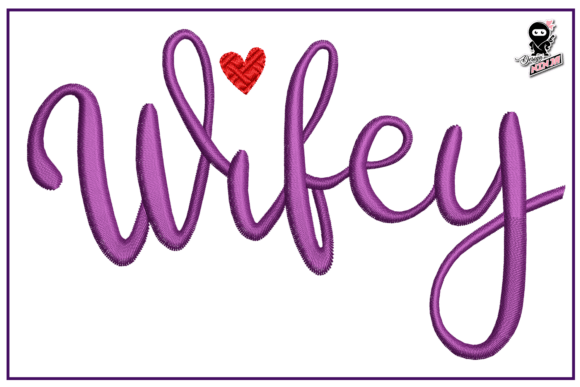
As an embroidery designer who’s prepped over 200 craft fair booths—and shipped thousands of finished products—I’ll say it straight: Wifey, Wedding Embroidery lands with cheerful confidence. It’s not dainty or overly formal—it’s warm, modern, and just a little cheeky in the best way. Think “farmhouse charm meets wedding-day joy,” with a wink to real-life partnership. Customers at a handmade market don’t pause for poetry—they respond to clarity, personality, and emotional resonance. This design delivers all three at a glance.
Where It Shines: Craft Fair-Ready Product Pairings
At a bustling weekend market, your booth has seconds to communicate value. Wifey, Wedding Embroidery works hardest on items people *touch*, *carry*, and *gift*—not just admire.
- Tote bag design: Perfect as a medium-to-large focal piece on the front panel. Reads clearly from 6 feet away, especially with bold thread contrast against natural canvas or denim.
- Apron embroidery: Ideal centered above the pocket or subtly curved along the waistband. Adds personality without overwhelming function—ideal for bridal shower gifts or kitchen-themed boutiques.
- Tea towel embroidery: Works beautifully in the top corner or centered near the hem. Its rhythm and spacing hold up well on textured cotton—weave doesn’t swallow the lettering if stitch density is balanced.
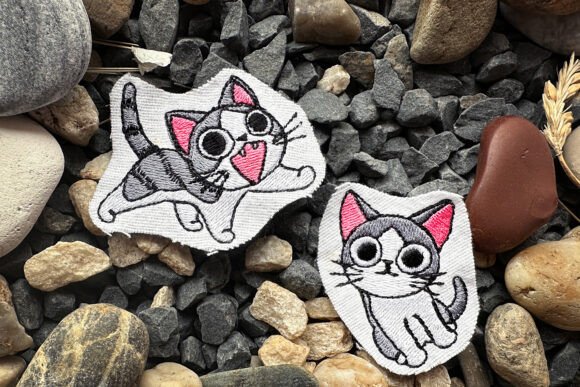
- Embroidered patch: Highly recommended. Turns into a versatile product: sew-on or iron-on, sold solo or pre-applied to caps, denim jackets, or pouches. Great for impulse buys and teen/bride-to-be appeal.
- Pillow cover & small pouch: Strong visual anchor. On linen or chambray, this design reads as intentional, handmade, and giftable—not generic. Avoid cramming it onto anything under 8” wide; legibility suffers.
What Holds It Back (and How to Fix It)
This isn’t a “set-and-forget” machine embroidery design. Its charm depends on smart execution:
- Small lettering demands attention: “Wifey” contains tight curves and subtle kerning. If stitched too small (< 3.5”), details blur—especially on dark fabric or thick terry cloth. Always test on your target fabric first.
- Dense stitch areas risk puckering: Look closely at where letters connect or overlap. High stitch density + low-stabilizer use = stiff, uneven results on soft knits or lightweight cotton. Use cutaway stabilizer for structured items (caps, tote bags); tear-away for tea towels and aprons.
- Curved surfaces need planning: Caps and curved market bags require repositioning or digitized curve compensation. Don’t assume the flat-file version will wrap cleanly—mock it up.
- Fabric texture matters: On heavily textured tea towels or bouclé pillow covers, simplify expectations. Let the design breathe—don’t force tiny fills where fibers dominate.
Photography, Listings, and Online Conversion
For Etsy sellers and digital embroidery file shops, Wifey, Wedding Embroidery performs exceptionally well in visual storytelling. It photographs cleanly on neutral backdrops, reads instantly in thumbnail size, and pairs naturally with lifestyle mockups: a bride holding a tote, a couple sharing coffee on embroidered pillows, or a gift box with a patch and tea towel set. As a printable mockup asset, it adds warmth and authenticity—far more engaging than generic script fonts.
That said: avoid overloading listings with 12 variations. Focus on 3–4 hero products (e.g., tote + patch + tea towel) that show range *and* cohesion. Buyers scan fast—Wifey, Wedding Embroidery gives them a clear emotional hook (“This is *us*”) before they even read the description.
Booth Impact and Buyer Engagement
In person, this design drives conversation. I’ve watched customers point, smile, and say, “Oh—that’s *so* us.” That moment—where a handmade product mirrors identity—is gold at a craft fair. It invites interaction, sparks stories, and increases dwell time at your table. Paired with cohesive branding (think matching thread colors across your display), Wifey, Wedding Embroidery strengthens your booth’s visual rhythm and perceived professionalism.
It also scales gracefully: whether you’re selling one custom-embroidered apron or batch-producing 50 patches for wholesale, the design feels intentional—not mass-produced. That perception of care directly lifts perceived value and justifies premium pricing for small shop products.
Designer Notes You Can’t Skip
Before cutting your first production run, do these six things:
- Test on scrap fabric—same weight, weave, and color as your final product.
- Check thread contrast—especially on dark or heathered fabrics. Light gray or cream thread often reads cleaner than stark white.
- Review spacing and proportions in your embroidery software. Does “Wifey” sit comfortably next to “Wedding” without crowding? Adjust if needed.
- Confirm hoop size compatibility with your machine and intended item (e.g., cap frames vs. standard hoops).
- Inspect stitch density in high-detail zones—reduce fill density slightly if your test shows stiffness or thread buildup.
- Verify commercial licensing before selling finished products. As a digital embroidery file, its terms determine whether you may resell physical goods made from it.
Final Verdict: A Smart, Scalable Craft Fair Staple
Wifey, Wedding Embroidery isn’t just another wedding-themed machine embroidery design—it’s a strategic craft fair product with built-in storytelling, strong visual recall, and broad handmade appeal. It bridges bridal markets and everyday joy, fits seamlessly into existing product lines (aprons, totes, patches), and photographs like a dream for Etsy sellers and boutique makers alike.
Yes, it asks for thoughtful execution—but that’s where your expertise as an embroidery designer shines. When stitched right, on the right fabric, with the right stabilizer and thread, Wifey, Wedding Embroidery doesn’t just sell. It connects. And in handmade markets, connection is what turns browsers into buyers, and buyers into repeat customers.